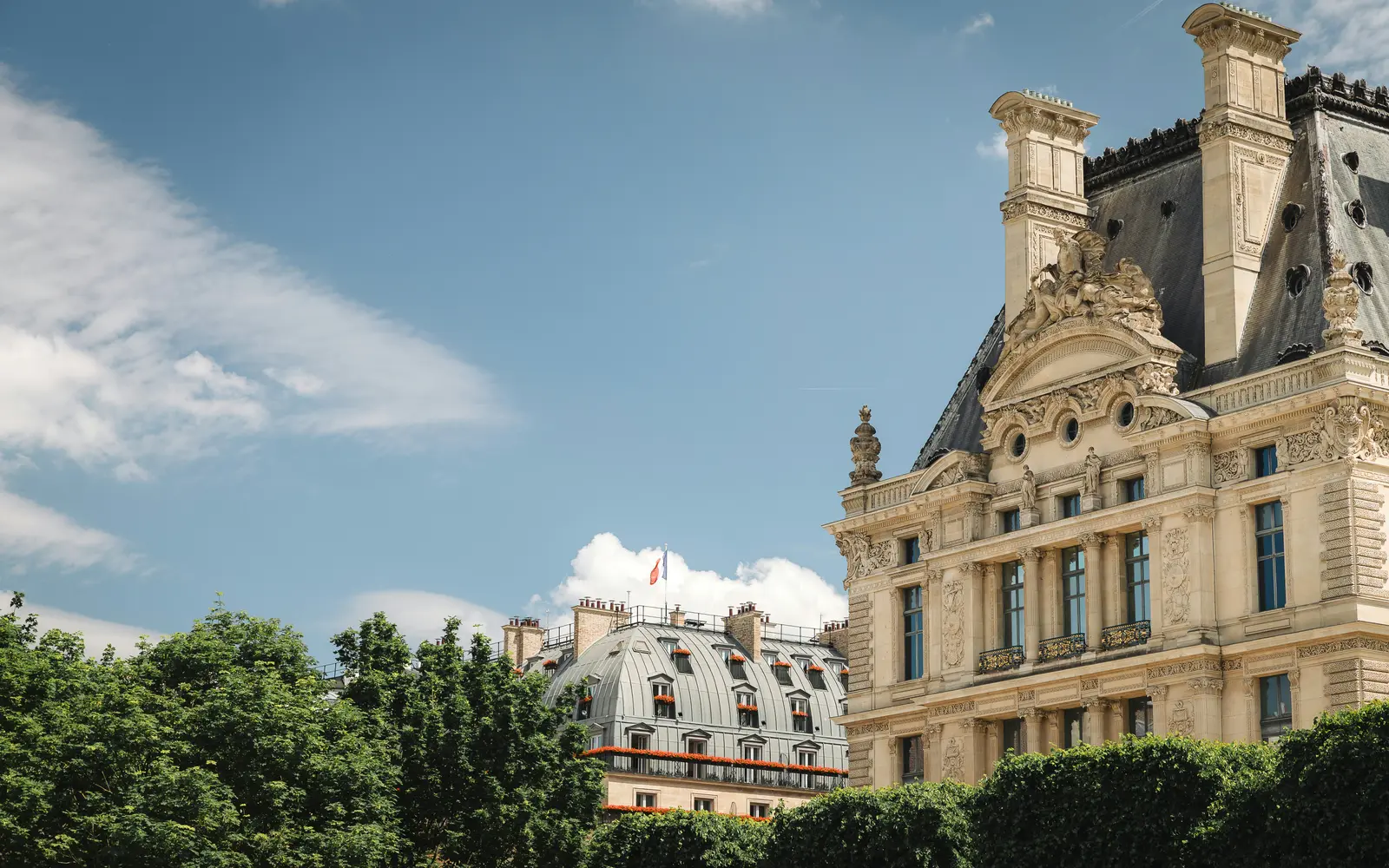
A traveler's guide to Paris
Treat Paris as a neighborhood city, not a checklist. Pick two arrondissements, walk them properly, and let the rest be a bonus.
Paris rewards slow walking. The monuments are real, but the trip lives in bakeries, bookshops, river light, and the way a side street turns gold at 7 p.m. Go for the Louvre if you must; stay for a wine list and a window.
When to go
Late spring and early autumn are the sweet spots: café terraces open, gardens in play, and fewer August closures. Winter is quieter and cheaper, with early dark and museum weather. July crowds the islands; August empties the locals.
What not to miss
Sainte-Chapelle's glass, a slow loop through Musée d'Orsay, the covered passages near Palais-Royal, and a morning at a market (Marché d'Aligre or Bastille). Climb something once — Sacré-Cœur or the Arc — then stay at street level.
Eating well
Skip restaurants with photos of the food. Book one serious dinner, then live on bakeries, natural-wine bars, and lunch menus. Le Marais, Canal Saint-Martin, and the 11th are friendlier than the 1st for a weeknight meal.
Getting around
Buy a Navigo Easy or a carnet of Metro tickets. Walk more than you think. The RER is useful to Versailles and the airports; taxis and Uber help late at night. Pick a hotel you can walk home from after dinner.
If you only remember this
- Many museums are closed Tuesdays; Orsay is closed Mondays.
- Reservations matter for dinner. Book two or three nights out in advance.
- Tap water is fine. Ask for une carafe d'eau.
- The Paris Museum Pass pays off if you are doing three or more paid sights.