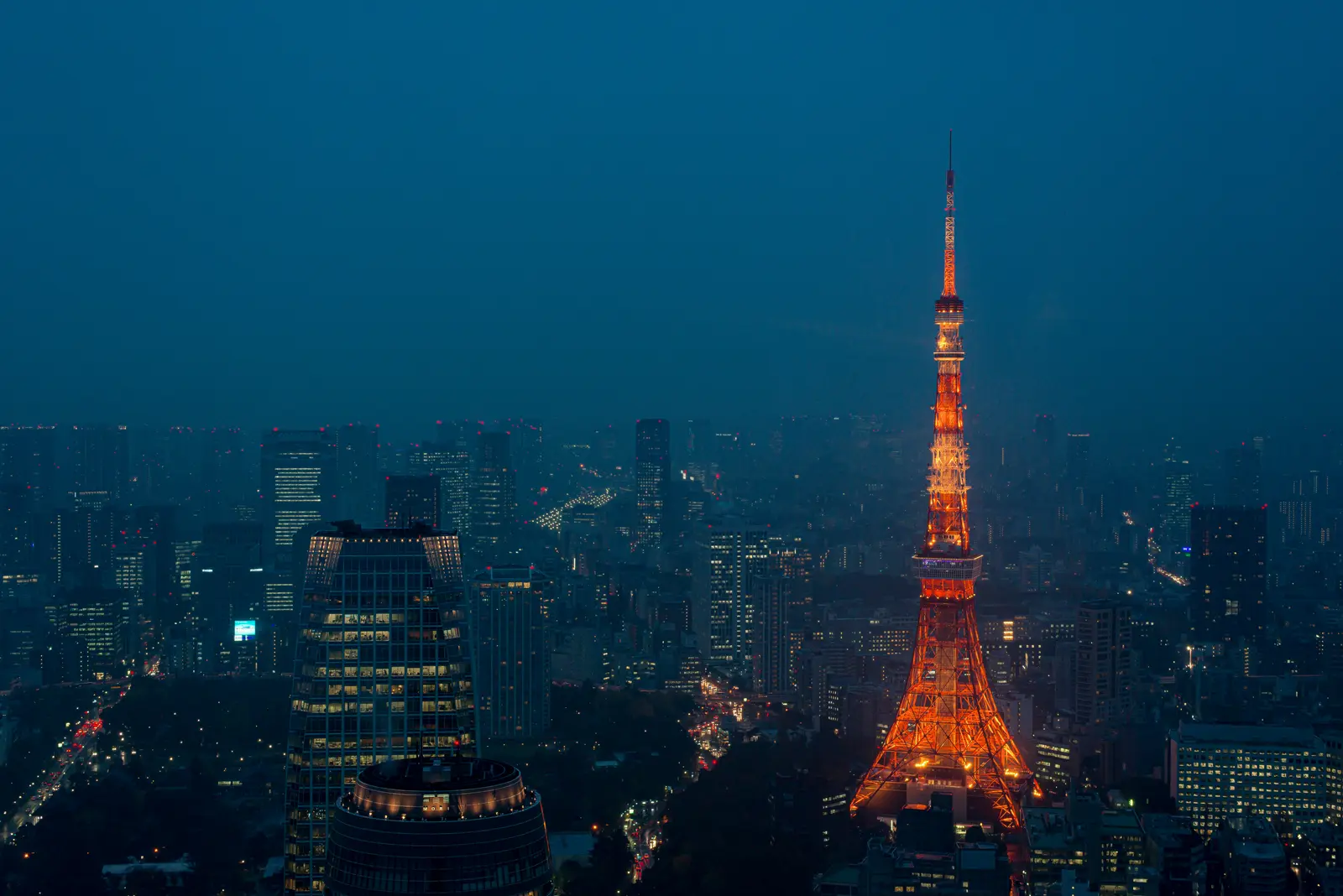
A traveler's guide to Tokyo
Do less, more slowly. Tokyo punishes packed itineraries and rewards anyone who picks a ward and stays for dinner.
Tokyo is not one city. It is a stack of villages — Shibuya neon, Yanaka temples, Tsukiji breakfast, Daikanyama bookstores — stitched together by trains that run on time. The food alone is a reason to go twice.
When to go
Cherry blossom season (late March to early April) is beautiful and busy. Autumn color in November is the calmer twin. Summer is hot and festival-rich. January is clear, cold, and excellent for food.
How to move
Suica or Pasmo on your phone. Stay near a Yamanote Line stop if it is your first trip. Trains stop around midnight; late nights mean taxi. IC cards work for almost everything, including convenience stores.
Neighborhoods
Shinjuku for density, Shibuya for youth, Asakusa for old Tokyo, Shimokitazawa for records and vintage, Ginza for department-store food halls. Sleep in one, commute to the others.
Eating
Convenience-store breakfasts are legit. Queue for one famous ramen, then hunt small counters. Conveyor sushi, standing soba, and depachika food halls will feed you better than a hotel restaurant.
If you only remember this
- Cash is less essential than it used to be, but still useful at tiny restaurants.
- Tattoos can mean no onsen. Check before you go.
- Trash cans are rare. Carry a bag.
- Book popular restaurants on TableCheck or by phone via your hotel.